Franco-Hungarian relations
lecture on September 13, 2025,
"Love and disenchantment, Hungary and France"
as part of the ceremony in honor of Prince Ferenc II Rákóczi.
First part: Love…
By Alexandre Dumont
Second part: Disenchantment…
|
[

This document is also available in PDF format, 7 pages, 1 182 KB.]
To understand the Hungarian presence at the French court, it is necessary to look back at the context of political cooperation established between Louis XIV and the Hungarian rebels—known as the Mécontents or Malcontents—who, at the end of the 17th century and the beginning of the 18th century, were fighting against the House of Austria.
The revolt led by
Prince Ferenc II Rákóczi between 1703 and 1711 was part of a long series of conflicts between the nobility and part of the Hungarian people and the Habsburg dynasty. At first, this war did not seem to require massive support in the eyes of the King of France. Despite pressure from the Marquis du Héron and then, from 1702, the
Marquis de Bonnac, the favorable start to the
War of the Spanish Succession prompted Louis XIV not to disperse his forces. He believed that
“the execution of their plans [...] is so uncertain” that it was advisable to conserve his resources in the context of what he considered to be more urgent expenses.
However, a peasant uprising broke out in the north of the Kingdom of Hungary, near the fortress of
Munkács. Taking advantage of the departure of some of the imperial troops to the western front, the rebel leaders called on Rákóczi to take the lead of the movement. Struck by the scale of events, the prince invited the Hungarians to rally under his banner and renewed his request for support from Louis XIV. Faced with this momentum, the king finally granted an annual subsidy of 30,000 écus for the maintenance and recruitment of troops. The
Kuruc army then grew rapidly and achieved several successes in the summer of 1703.
After failing to conclude alliances with Sweden or Poland and losing the support of Portugal and the Duchy of Savoy, Louis XIV reconsidered the strategic importance of Hungary, which had become his main stronghold in Central Europe. This “rear alliance” allowed him to exploit the Hungarian diversion against the Habsburgs: the engagement of imperial troops in the east eased the pressure on the western fronts.
The high point of these relations came during the War of the Spanish Succession, a period during which Rákóczi waged a veritable war of independence (1703-1711). The defeat of 1711 led to Hungarian political and military emigration to France and the Ottoman Empire. The prince's stay in France, where he became a national hero in Hungary, has been the subject of intense historiographical debate.
For the period 1693-1792, it remains difficult to establish precisely how many Hungarians immigrated to France under the Ancien Régime. However, research carried out in particular in the archives of the Historical Service of the Ministry of Defense suggests that several thousand Hungarian soldiers served in the hussar regiments. In 18th-century France, then the most populous country in the West, this community remained demographically modest.
However, despite their small numbers, these emigrants—and more particularly their noble elite—exercised considerable influence in court circles. Some of these refugee nobles were integrated into units specially created for Hungarian cavalrymen, the famous hussar regiments, which played a prominent role in the dynastic wars of the 18th century.
Comparable in many respects to Scottish, Irish, Swiss, or Polish migration, this Hungarian emigration also provided the French monarchy with leverage over anti-Habsburg movements, at least until the reversal of alliances in 1756. The presence of Hungarian nobles at court thus symbolized both the legacy of this political cooperation and the ambition of French diplomacy to influence the balance of power in Central Europe. Their integration was largely based on court networks and the actions of intermediaries, through whom they were able to establish relationships in the circles of power.
Ferenc II Rákóczi, an exiled prince at the court of Louis XIV
| |
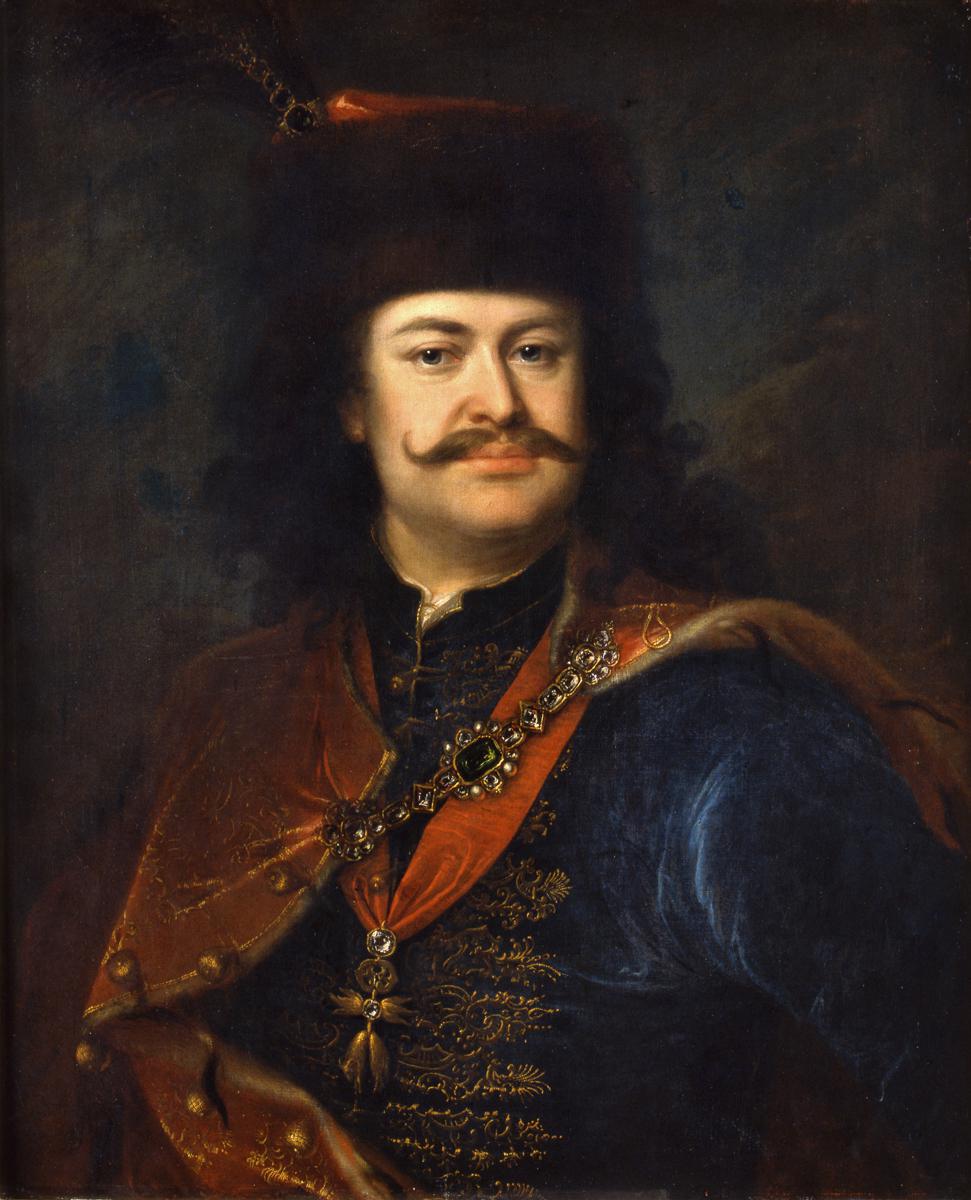
Portrait of Prince Ferenc II Rákóczi
|
Ferenc II Rákóczi came from a Hungarian aristocratic family that played a central role in the history of Hungary and Transylvania in the 17th and 18th centuries. The Rákóczis owned vast estates spread across Upper Hungary (now Slovakia) and Transylvania: in 1660, their lands were grouped into around a hundred large estates representing some thirty thousand tenures, or more than a hundred thousand subjects. In 1682, their wealth rivalled that of the Thököly and Eszterházy families, which explains why the Transylvanian nobility repeatedly elected a member of the Rákóczi family as sovereign prince.
|
|
|
| |
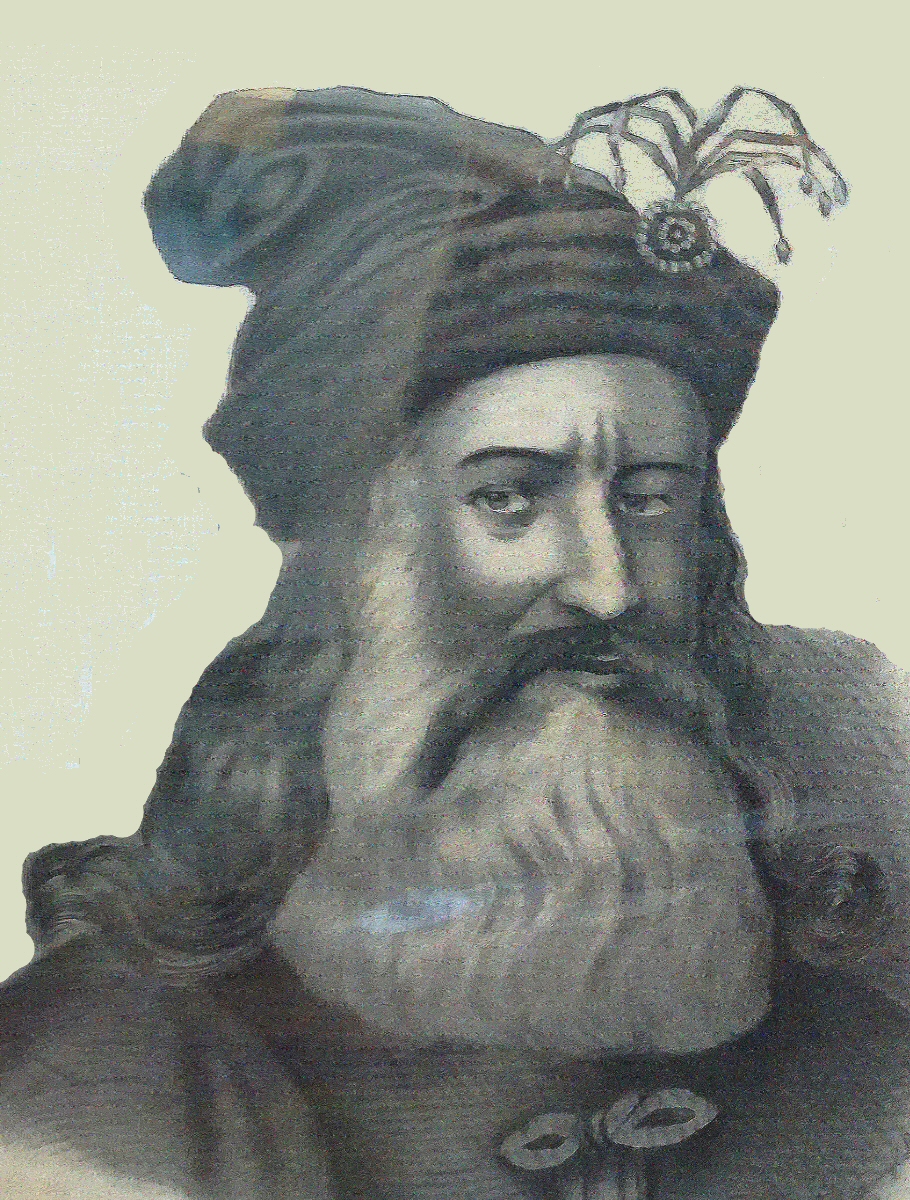
Portrait of Prince George I Rákóczi
|
George I Rákóczi (1593–1648) succeeded Gábor Bethlen and shared his ambitions. He allied himself with Sweden and France against the House of Austria and supported the Hungarian Protestants in their revolt against Ferdinand III. The Peace of Linz was a success for him, reaffirming the quasi-independence of the Transylvanian principality and guaranteeing religious freedom throughout Hungary.
|
| |
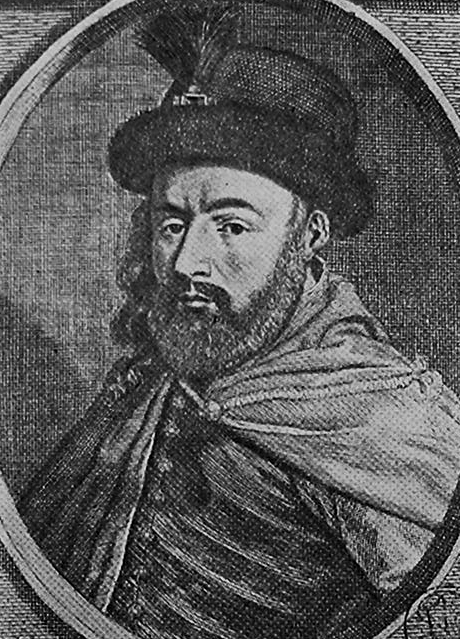
Portrait of Prince George II Rákóczi
|
His son, George II Rákóczi (1621–1660), had even greater ambitions: he fought alongside Sweden in the Northern War, attempted to conquer the Polish throne, encountered hostility from the Ottoman Empire, and was ultimately defeated in Ukraine, thereby losing his power. Transylvania then ceased to be the bastion of the Hungarian nation.
|
| |
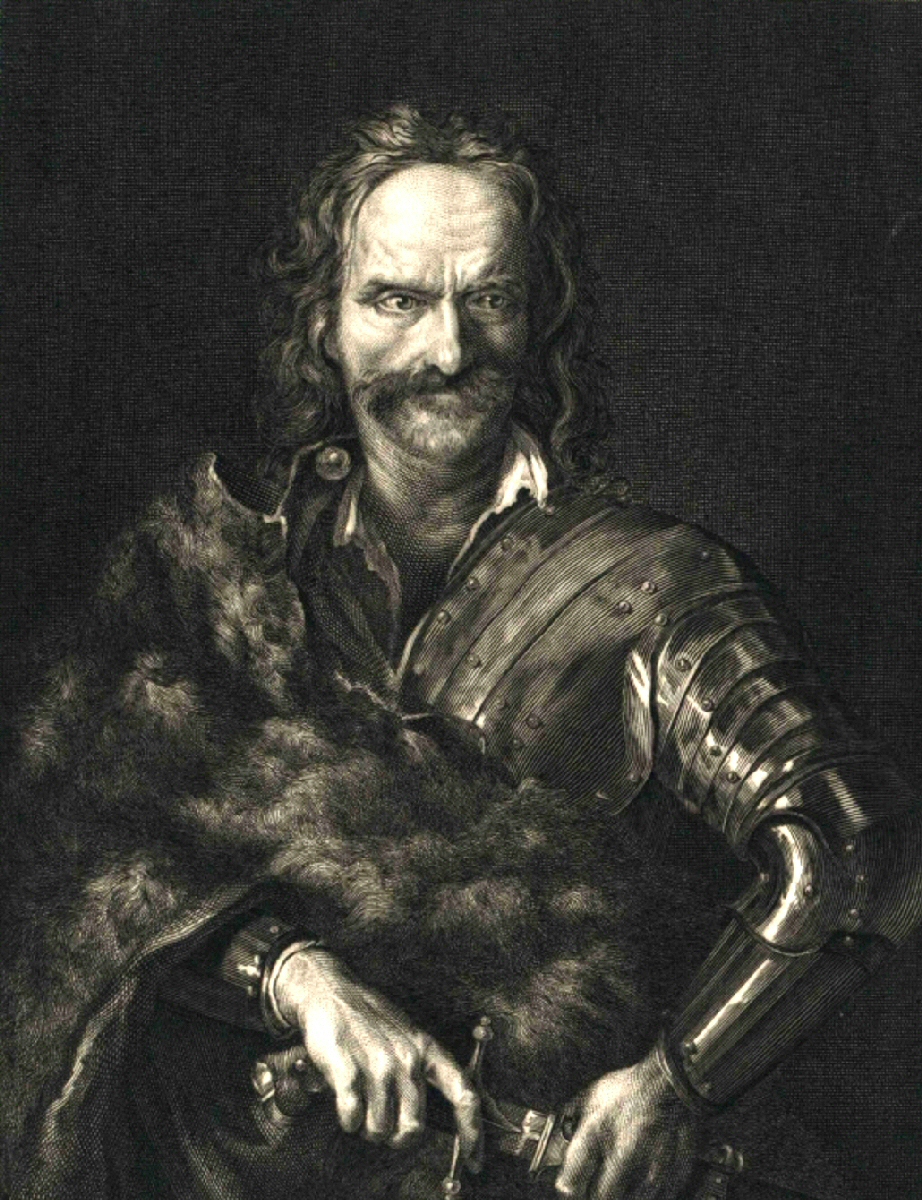
Portrait of Prince Francis I Rákóczi
|
Francis I Rákóczi (1645-1676), son of George II, was unable to be elected prince and retired to his estates in Sarospatak. He plotted against Emperor Leopold I and only saved his head in 1671 by paying a heavy fine. Raised by the Jesuits and a Catholic, the young prince led a vast national uprising in 1702. An ally of Louis XIV, the revolt earned him election as Prince of Hungary in 1707, but his attempt failed in 1711, forcing him into exile, where he died without ever seeing his homeland again.
|
| |
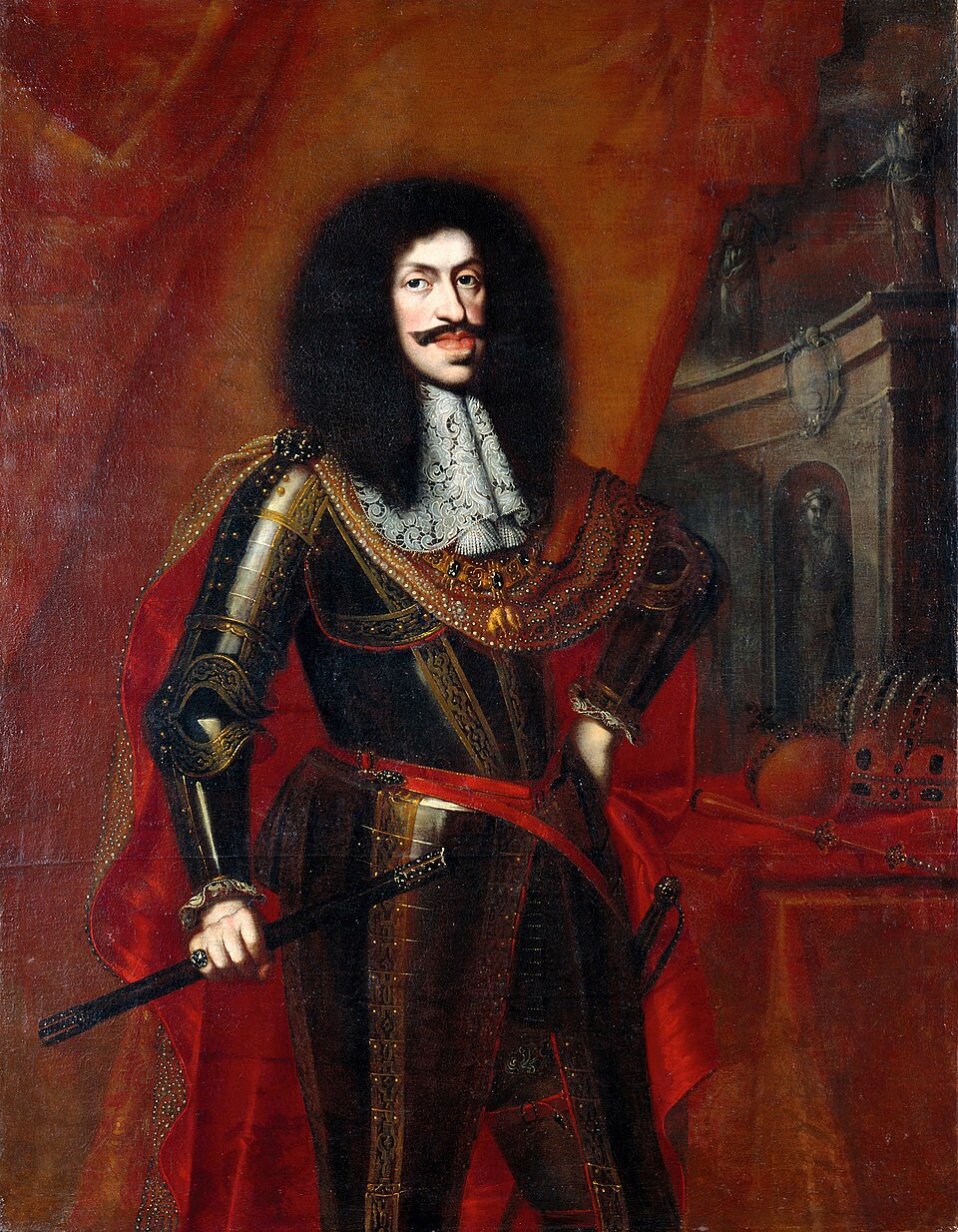
Portrait of King and Emperor Leopold I
|
At the end of the 17th century, several independence movements shook Hungary under the reign of Leopold I: the Magnate Conspiracy (1667-1671) and then the revolts of Imre Thököly (1677-1685, 1690). Rákóczi's War of Independence (1703-1711) was a major episode in modern European history. This rebellion represented a strategic “alliance of reversals” for France, particularly in the first half of the conflict: even limited support for the Hungarians created a significant diversion and made it difficult to mobilize imperial forces. The Kurucs waged an effective war, complicating the supply of imperial troops and increasing their costs, while hindering tax collection and seizing mines.
|
| |
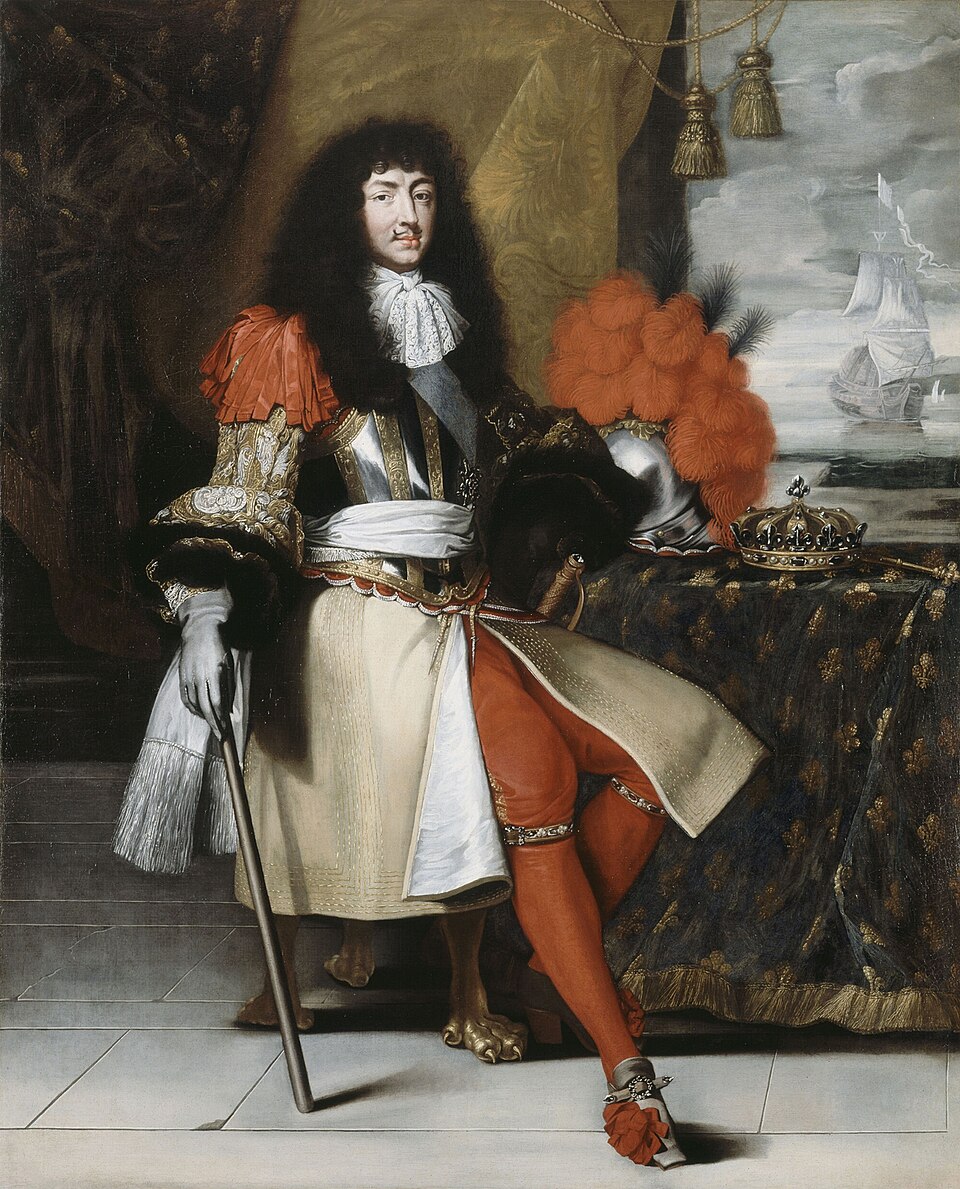
Louis XIV
|
By 1704, the Hungarians were no longer divided by religion, reinforcing the effectiveness of this diversion. French support was based on two pillars: diplomatic recognition of Rákóczi as sovereign of Transylvania and military support for the insurgents. French diplomacy, led by Fierville and especially Des Alleurs, was aimed less at directly helping Rákóczi than at maintaining the revolt and preventing any peace agreement with the Holy Roman Empire.
This policy placed Louis XIV in a delicate position, since Rákóczi was a vassal of Leopold I, the legitimate king of Hungary.
|
| |
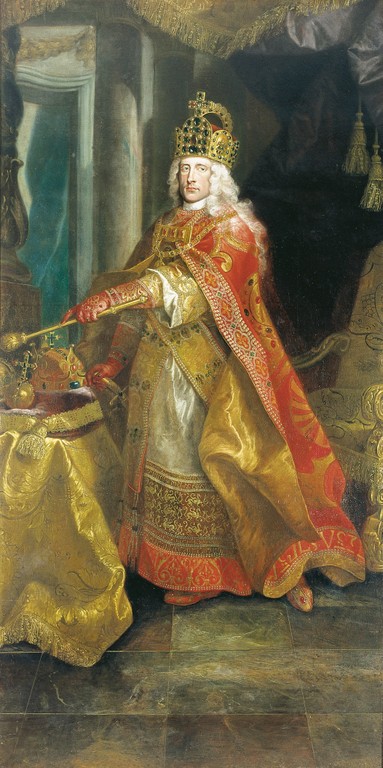
Portrait of Emperor Joseph I
|
The death of Leopold I on May 5, 1705 changed the situation: his successor, Joseph I, was not automatically king of Hungary, where the monarchy remained elective. A Diet met in Szécsény on July 12; Rákóczi attempted to establish an interregnum and place the Elector of Bavaria on the throne, but the Diet ultimately adopted the Confederation of the Hungarian States, with Rákóczi as ruling prince, assisted by a 25-member senate.
Despite this failure, Louis XIV recognized Rákóczi as Prince of Transylvania on May 18, 1705, and was thus able to deal with him. Nevertheless, the confederated states remained subject to the Habsburgs, limiting Hungary's political freedom and complicating any peace negotiations. Faced with deadlock, Rákóczi convened a new Diet in Ónod on January 22, 1707, where he was declared King of Hungary. He sought to conclude an alliance with France, which was refused by Louis XIV. French diplomats then attempted to influence the prince's policy, preventing negotiations favorable to the Habsburgs and encouraging rapprochement with Sweden, Poland, Russia, and the Ottoman Empire.
|
| |
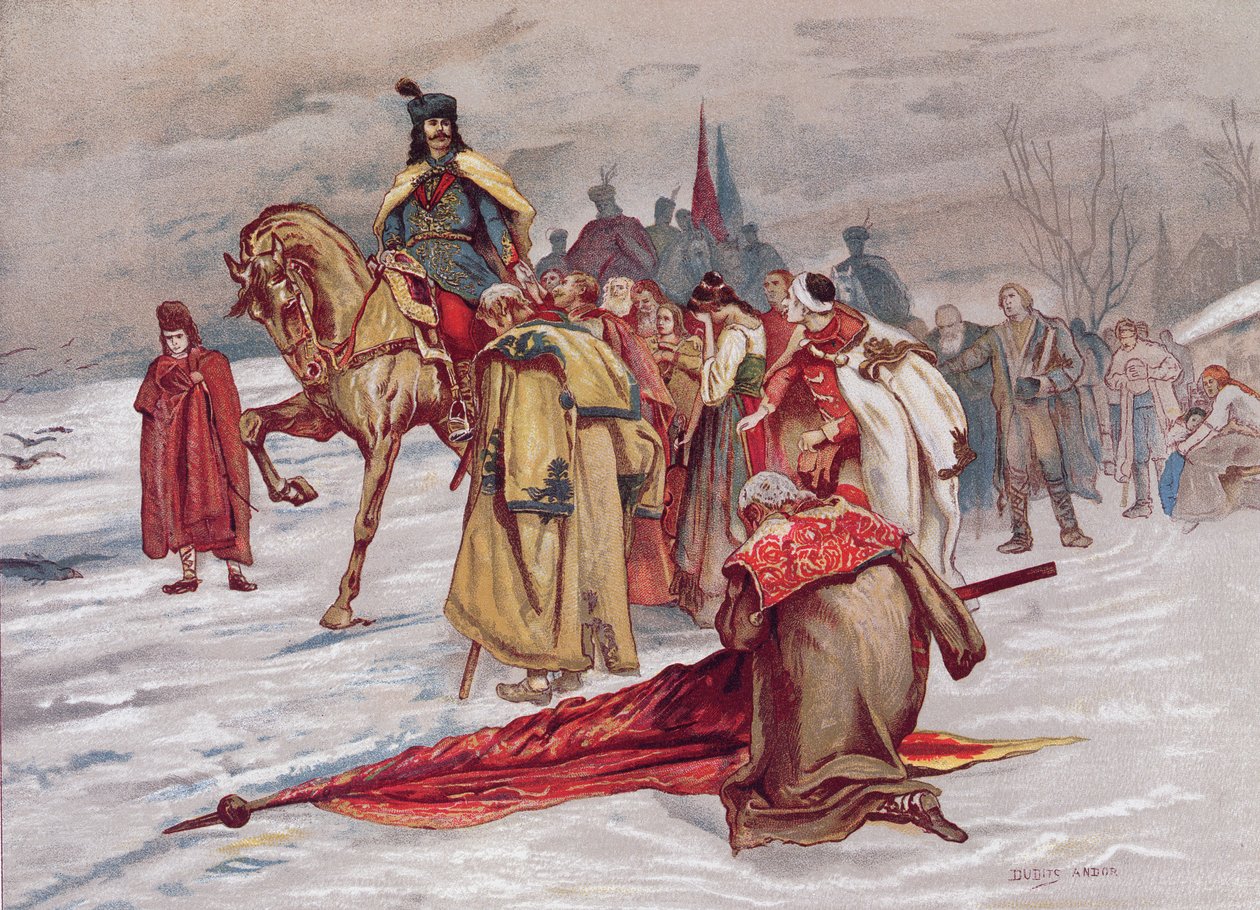
1711 - departure into exile
|
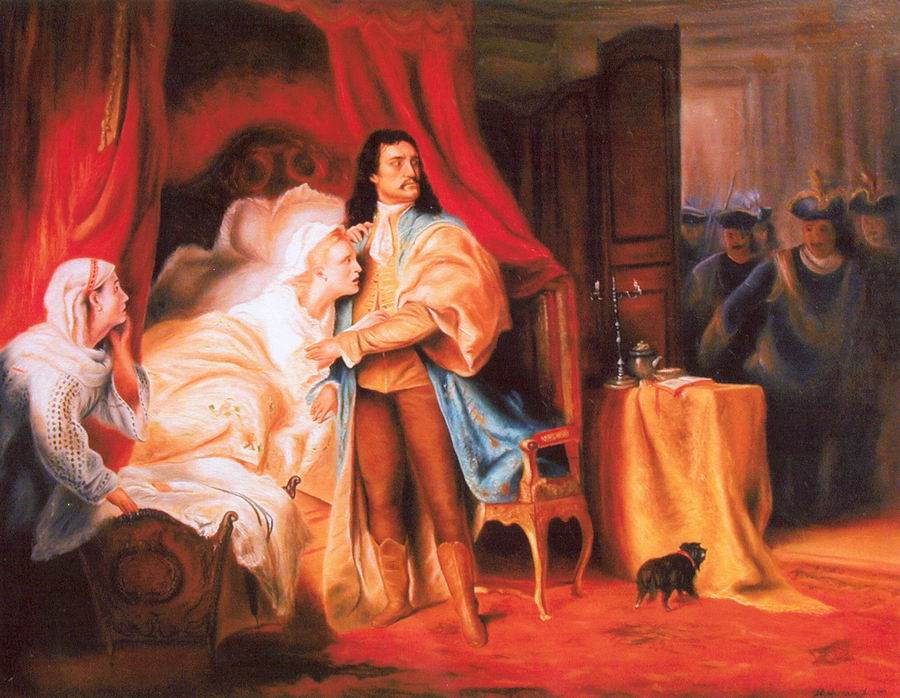
After Hungary's defeat was confirmed by the Treaty of Szatmár (1711), a wave of political and military emigration to France began. Initially taking refuge in southern Poland, Rákóczi was forced to move to Danzig (now Gdańsk) after a failed assassination attempt against him. At the end of 1712, he left for France via Copenhagen, Marstrand, and Hull, arriving in Dieppe in early January and then in Paris.
|
| |
1701 - Arrest in Nagysáros
|
His presence at the court of Louis XIV, which was awkward for the king seeking peace with the emperor, forced him to remain incognito under the name “Count of Saaros.” He settled in the Paris region, first in Chaillot, then in Passy and Clagny. Thanks to family connections and the support of the court, notably the wife of the Marquis de Dangeau, he obtained a substantial royal pension of at least 75,000 livres per year (€1.4 million).
|
Rákóczi spent most of his time in Versailles, forging relationships with many influential figures: the Marshal of Luxembourg, the Duke of Breteuil, the Duke of Maine, the Marquis de Torcy, Madame Dangeau, and the Count of Toulouse, who facilitated his integration into court circles. The Duke of Saint-Simon, who was not part of his inner circle, nevertheless devoted several pages to him in his Memoirs, offering a nuanced description of his character and his presence at court:
"Ragotzi was very tall, without being excessive, well-built without being fat, very proportionate and well-formed, with a strong, robust appearance, and very noble to the point of being imposing without being harsh; his face was quite pleasant, and his entire physiognomy was Tartar. He was a wise, modest, measured man, with very little wit, but entirely devoted to what was good and sensible; very polite, but quite distinguished depending on the person; very at ease with everyone and, at the same time, which is rare, he had a sense of glory. He did not speak much, but contributed to the conversation and came across as a very honest, upright, truthful, extremely brave man, deeply God-fearing, without showing it or hiding it, with great simplicity."
The peace treaties of Utrecht and Rastatt were concluded without the participation of the Hungarian states. During the negotiations in Rastatt, the fate of the Hungarians and Rákóczi—then supported by the French monarchy—was discussed, as was that of the rebellious Catalans in southern France, who enjoyed the support of Austria. Unable to reach a compromise, the negotiators, Marshal Villars and Eugene of Savoy, abandoned their former allies.
Prince Rákóczi then stayed in Versailles for two years (1713-1715) as a guest of Louis XIV. The Memoirs of the Duke of Saint-Simon provide a detailed account of the circumstances surrounding this stay. According to the memoirist, the exile enjoyed considerable privileges:
“The King gave him six hundred thousand livres per month (sic!) and Spain thirty thousand livres per year. This gave him an income of around one hundred thousand livres. His house in Paris was solely for his servants, as he was always at court and never ate there. The King always had a beautiful apartment furnished for him at Fontainebleau.”
Although Rákóczi was the elected prince of Transylvania, his title conferred little more prestige than that of any other aristocrat at the French court. For a time, he had to content himself with the title of “Count of Saaros” in order to preserve his incognito. In some respects, his situation was reminiscent of that of James Stuart in exile at Saint-Germain-en-Laye.
In Versailles, Rákóczi sometimes went hunting with the king and took part in the daily activities of the court. According to the Duke of Saint-Simon: "On Monday, May 17, he dined early with Prince Ragotzi, whom he had invited, and then went to Meudon, where he found the king's horses so that he could visit the gardens and park at his leisure. Prince Ragotzi accompanied him there." Saint-Simon, whose relations with the king and his courtiers were strained, leaves an ambiguous image of the Hungarian prince. On the other hand, Madame de Maintenon's opinion was very favorable: “No foreigner in France has ever been more successful than this one: he is loved, sought after, and esteemed; he never embarrasses anyone and is never embarrassed himself; he has taste in everything, wisdom, piety, and is simple without any affectation...”
Rákóczi even fell in love with two women of the French high nobility, as he admits in his Confession; according to
Béla Köpeczi, they were Marie-Anne de Bourbon and the Princess of Charolais. The prince's success at court illustrates his remarkable ability to integrate into a refined and complex milieu that had a profound impact on European civilization.
| |
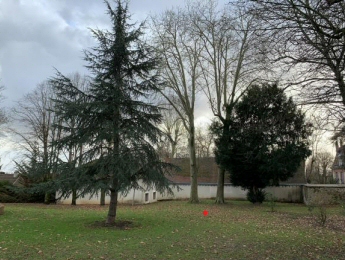
Grosbois/Yerres: Rare remnants of the convent
|
The mutual affection between Louis XIV and Rákóczi facilitated the prince's reception at Versailles. This friendly relationship lasted until the king's death. After Louis XIV's death, Rákóczi retired to the Camaldolese monastery at Grosbois, marking a major turning point in his life: the courtier became a hermit. This choice was not only linked to the change of reign in France; since childhood, Rákóczi had been inclined towards religious reflection and solitude, his theological convictions bringing him closer to the Jansenists. He rented a small house in Grosbois and began writing his Confession, while keeping himself informed of political events, ready to resume the fight as soon as an opportunity arose.
|
France, exhausted by the War of Spanish Succession, was unable to support new military campaigns. However, the resumption of Austro-Ottoman hostilities (1716-1718) and the reconquest of southern Hungary offered the prince a new opportunity. The sultan wanted to use Rákóczi to stir up a Hungarian revolt against the Habsburgs and invited him to Constantinople. Tired of inactivity and threatened by imperial agents on French territory, Rákóczi accepted. He left France in 1717 and arrived in Gallipoli on October 10.
At that time, the Austro-Ottoman War was coming to an end, and the Treaty of Passarowitz dashed the hopes of the Hungarian insurgents. During the negotiations that began on June 5, 1718, the exiles withdrew discreetly. The Empire even considered extraditing them, but this was refused. A compromise was finally reached: in accordance with Article 15 of the treaty, the rebel leaders and their families were to settle far from the border. The Sublime Porte chose the port city of
Rodosto on the Sea of Marmara, where the emigrants arrived in April 1720. However, Rákóczi had no intention of settling permanently in the Ottoman Empire. Franco-Ottoman cooperation within the framework of the Quadruple Alliance prevented any return to France. He lived out his last years in Rodosto and died on April 8, 1735, in the small Hungarian colony. His death marked the end of a significant phase in the history of Hungarian independence movements, the memory of which had a strong influence on subsequent generations.
*
* *
Even though French diplomacy constantly maneuvered to prolong the conflict, the peace negotiations in Gyöngyös and Nagyszombat, which led to the removal of the House of Austria from the Hungarian crown, show that Rákóczi enjoyed real autonomy from his ally. France, for its part, sought to support his cause by backing his attempts to forge closer ties with the Ottoman Empire and then with the Tsar of Russia. However, its attachment to the old system of countervailing alliances—bringing together Hungary, Poland, and Sweden—prevented it from perceiving Russia's rise, which ultimately harmed the Magyars.
Overall, the outcome of these efforts remained positive for France, even if they were not decisive in the outcome of the War of the Spanish Succession. The revolt cost France at least two million pounds, a relatively modest investment compared to the 30,000 imperial soldiers maintained on the Hungarian front. On the Magyar side, beyond military support, the alliance with France allowed Rákóczi to maintain his political presence in Europe: in particular, it opened up the possibility of dealing with Russia, which saw him as an intermediary for reaching Louis XIV.
Although not decisive, French support was nevertheless tangible. The “Realpolitik” that limited its scope did not prevent it from being of great use to Rákóczi, who was virtually isolated on the European stage.